Why women think that 5 O’Clock evening glass of wine is the answer

For many women, the late afternoon can feel like the point where everything catches up at once.
The workday may not be over. Messages are still arriving. Children may need attention. Dinner decisions are waiting. The mental load of remembering appointments, school forms, groceries, deadlines, aging parents, finances, and tomorrow’s schedule often peaks right around the time the clock hits 5:00 pm.
So it can feel natural to reach for a glass of wine and think: This is exactly what I need.
And in that moment, it often feels true.
But what many women interpret as “needing wine” is often something deeper and more biological: a nervous system that has been under stress for too long and is trying to regulate itself.
My Story: When Stress and Grief Became Too Much
I understand this pattern personally.
In 2001, my Mum died suddenly. The shock and grief were overwhelming. At the same time, I was raising two small children—Maddy aged 5 and Dayne aged 2. Just days after Mum’s funeral, my husband was deployed with the Navy for four months.
I felt emotionally shattered, alone, and unsupported.
During the day, I kept going because I had to. I cared for my children, managed the household, and tried to function as though everything was fine. But inside, I was struggling deeply.
In the evenings, wine became my go-to stress relief.
It numbed the pain I felt. It seemed to quiet my mind. It helped me fall asleep—or so I believed.
Little did I know, I was actually self-sabotaging and missing the genuine self-care and support I truly needed.
Over time, what began as relief became reliance.
My health deteriorated. I became depressed, overweight, and emotionally disconnected from myself. Yet I still functioned during the day, wearing the mask that so many women wear.
My unhappiness, hidden behind wine, became my shameful little secret.
Because of the shame I felt internally, I didn’t open up to anyone about the depth of my despair. When I eventually mentioned to my doctor that I thought I was drinking too much, I was prescribed antidepressants. There was no mention of any emotional support or to stop drinking, so the message I got was to continue as I had been.
So, the cycle continued.
Until 2018, when I knew with absolute clarity that I needed to stop drinking. The Universe was re-directing me.
It was difficult. I found some online support and once I began learning the science behind why my body had become stuck in that cycle, everything changed. Annie Grace’s book “This Naked Mind” was a gamechanger! As was the online connection of UK based, The Sober School.
I realised it wasn’t simply weakness. It wasn’t lack of willpower. It was biology, conditioning, stress chemistry, and the addictive nature of alcohol. The realisation that I wasn’t flawed or broken, and that there were so many other women struggling with alcohol, like me, had a huge impact.
Now I want other women to understand the same truth.
It’s Often Not About Wine — It’s About Stress Chemistry
By late afternoon, many women have accumulated hours, months, or even years of unresolved stress.
Even if life looks “normal” on the outside, the body may be carrying:
grief
emotional overload
caregiving fatigue
loneliness
constant multitasking
financial pressure
relationship strain
sleep deprivation
hidden anxiety
When the brain perceives stress, it activates the stress response system and releases hormones such as cortisol and adrenaline.
Cortisol is designed to help us survive challenges. But when stress becomes chronic, cortisol can remain elevated longer than ideal, leaving the body feeling tense, tired, wired, and emotionally depleted.
By 5:00 pm, many women are not craving alcohol.
They are craving relief.
The Nervous System Wants Calm
The body relies on a calming neurotransmitter called GABA (gamma-aminobutyric acid).
GABA helps:
quiet excessive brain activity
reduce anxiety
relax muscles
improve calm
signal safety to the nervous system
When stress has been high all day, or for many years, the nervous system can feel overstimulated and exhausted at the same time.
That’s when wine can feel like the answer.
How Alcohol Creates False Calm
Ethanol, the active ingredient in wine and other alcoholic drinks, temporarily enhances GABA-related activity in the brain.
This can create sensations of:
relaxation
emotional softening
mental slowing
tension relief
temporary numbness
sedation
That first glass may feel like peace.
But alcohol is not restoring nervous system balance—it is chemically forcing it.
The calm is temporary and artificial.
Why the Body Pushes Back
The brain always seeks balance. When alcohol artificially suppresses activity, the brain compensates by increasing stimulating signals.
This rebound effect is why many women experience:
waking during the night
anxiety at 3:00 am
racing thoughts
sweating
pounding heart
irritability
poor mood the next day
What feels soothing at 7:00 pm can feel punishing at 3:00 am.
The 1:00–4:00 am Cortisol Spike
A very common pattern after evening drinking is waking between 1:00 am and 4:00 am, often around 3:00 am.
As alcohol is metabolised, its sedating effect fades. At the same time, stress hormones such as cortisol can rise.
The nervous system rebounds into alertness.
Many women wake with a sense of dread and wonder why.
Often, the answer lies in the chemistry of alcohol and stress.
Alcohol and REM Sleep
Many people believe wine helps sleep because it helps them fall asleep faster.
But sedation is not the same as restorative sleep.
Alcohol disrupts sleep cycles and commonly reduces REM sleep (Rapid Eye Movement sleep), which is essential for:
emotional processing
memory consolidation
nervous system repair
mood regulation
resilience to stress
Without healthy REM sleep, you may wake feeling:
exhausted
flat
foggy
emotionally fragile
reactive
desperate for relief again later that day
And so the cycle repeats.
The Stress-Wine-Stress Loop
For many women, the pattern looks like this:
Stress builds
Wine brings temporary relief
Sleep quality drops
Cortisol rises overnight
Anxiety increases
Energy drops
Stress tolerance shrinks
Wine feels necessary again
This is not a character flaw.
It is a biochemical loop.
The Truth Women Need to Hear
Alcohol is a drug. It is also a depressant, a class 1 carcinogen and an addictive substance.
If you use an addictive substance to self-medicate pain, grief, trauma, loneliness, overwhelm, or chronic stress, dependence can develop.
That does not mean you are weak-willed.
That does not mean you are broken.
It means your body adapted to repeated exposure to a substance that changes brain chemistry.
What I Wish I Knew Earlier
I wish I had known that what I needed was not wine.
I needed:
grief support
rest
nervous system care
compassion
emotional safety
practical help
connection
healing tools – e.g. Emotional Freedom Techniques (EFT)
honest conversations
I needed to become my own advocate.
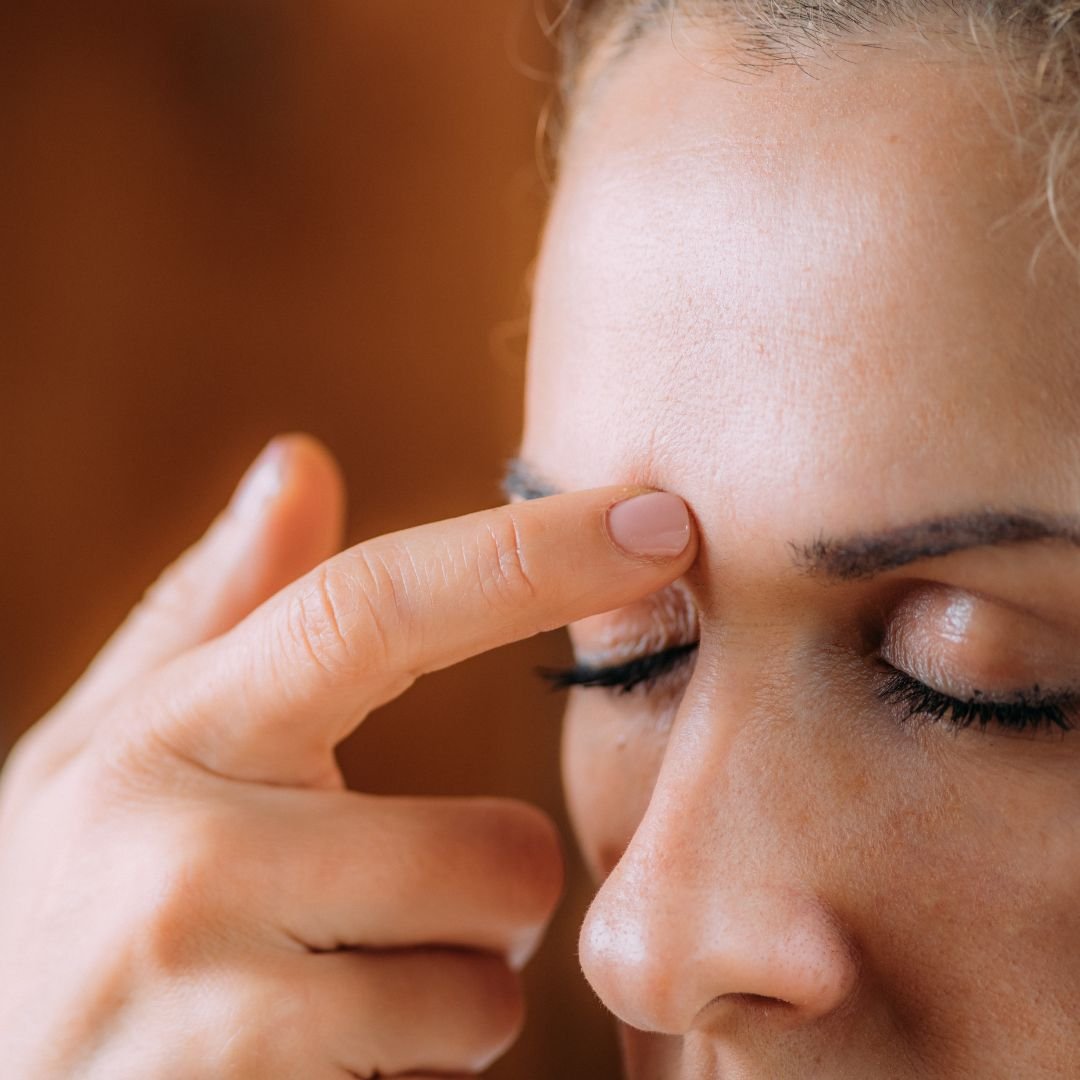
EFT tapping (Emotional Freedom Techniques)
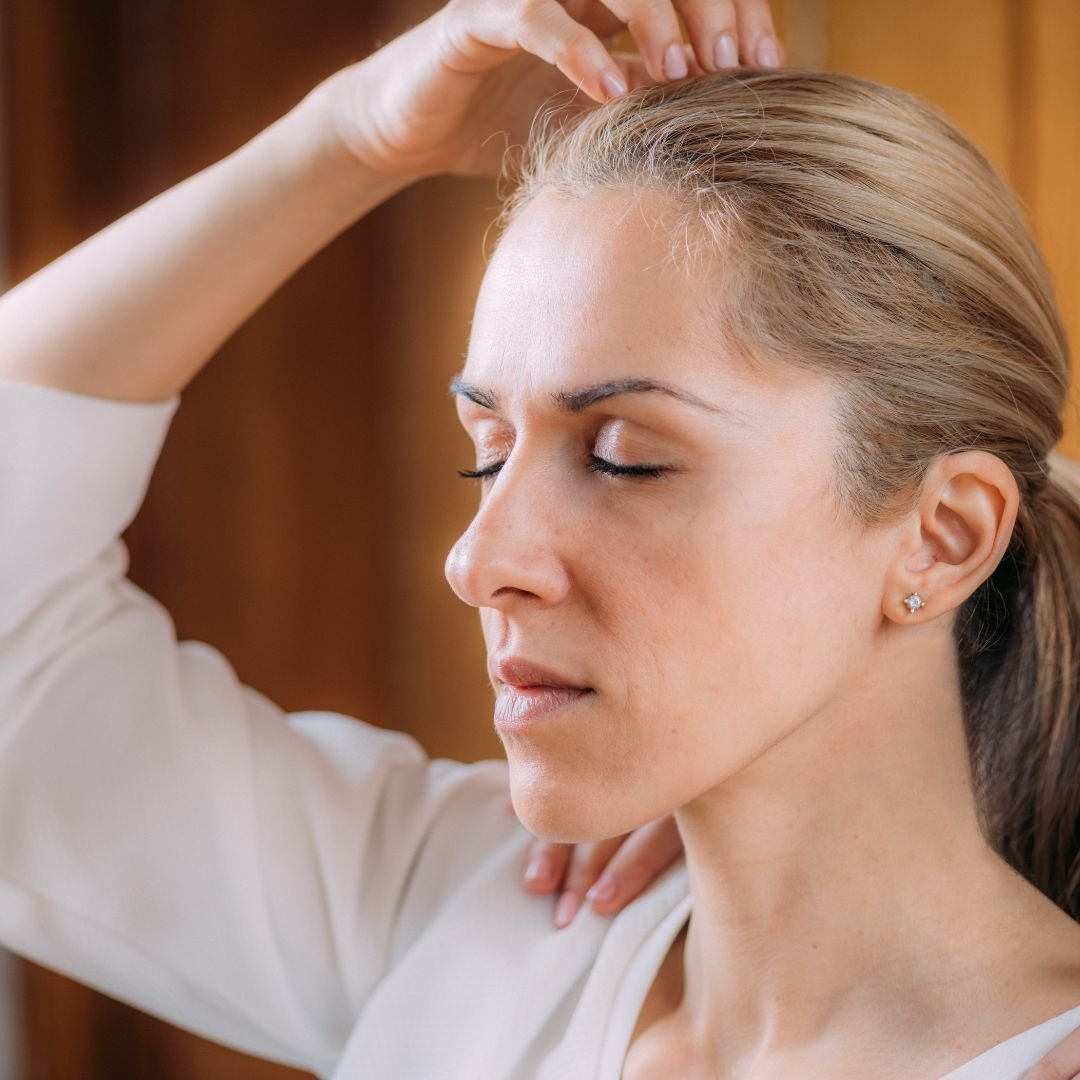
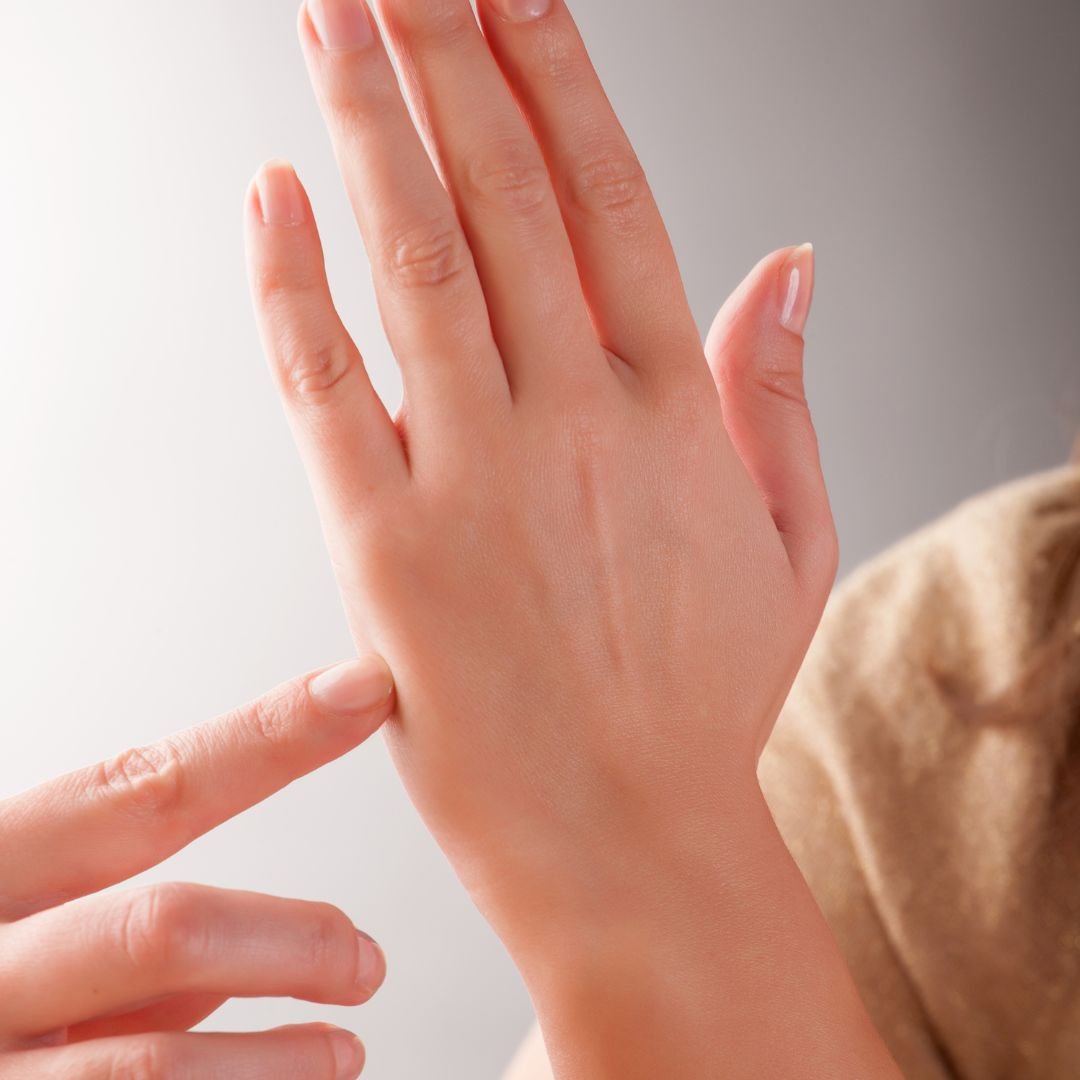
EFT is a simple yet powerful tool that helps calm the body’s stress response and support nervous system regulation.
By gently tapping on specific acupressure points while focusing on thoughts, emotions, or cravings, the brain receives signals of safety that can reduce anxiety, overwhelm, and emotional intensity.
For those wanting to change their relationship with alcohol, EFT can be especially helpful because it creates a healthier way to manage stress, process difficult emotions, and interrupt habitual urges to drink.
Instead of reaching for alcohol to cope, tapping helps the body learn how to self-soothe naturally.
It’s Never Too Late
If this story feels familiar, please know change is possible at any stage of life.
Awareness and education are powerful.
Once women understand why they feel trapped in the cycle, shame begins to loosen its grip.
Support matters. Science matters. Compassion matters. YOU matter.
And it is never too late to reach out, heal your nervous system, reclaim your health, and become your own best friend.
Curious to Explore a Sober Lifestyle?
You’re finally walking toward everything you've been longing for when you start being curious about an alcohol-free lifestyle.
Would you like support on your journey?
New Online Self-Paced Mini Course
Tap into Sobriety - now available under Courses section of the website!
Explore our Soul Sobriety Coaching, EFT Tapping, and Women’s Health Retreats—safe, nurturing spaces where clarity, connection, and healing take centre stage.
Book Your Free Call - Let’s do this together!
In-Person Services!
See me in person for your Emotional Freedom Techniques (EFT) Session and Grey Area Drinking (sobriety) Coaching.
By Appointment Only at Meraki Store & Wellness Hub, Shop 1/45 Kinghorne St Nowra.
Book Your In-person or Online sessions with me HERE
How EFT Can Help You...
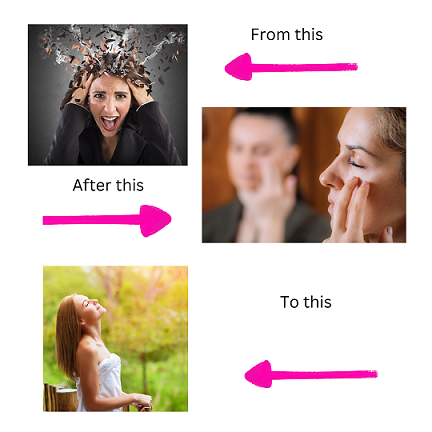
As a Grey Area Drinking coach incorporating Emotional Freedom Techniques (EFT or Tapping), I can help free you from what has been holding you emotionally captive.
I can help you address and release the emotional contributing factors that led to your unhealthy relationship with alcohol or other self-sabotaging behaviours.
Releasing these negative emotions can help make it easier to maintain your sobriety or reach other health goals, as you will have the tools required to successfully navigate the stressors of day-to-day life and challenging thoughts.
Book an EFT “TASTER” BUNDLE of 4 sessions and break free of limiting beliefs and what’s holding you back from living your best life.
GUEST PODCAST EPISODES
I’ve had the opportunity to share my story and connect with the community on podcasts and interviews. It’s been amazing!
You can listen here…
(click the buttons to watch on YouTube!)
Find Out More
If you’d like to learn more about EFT tapping, stress relief, alcohol-free living, or how to break the evening wine habit, I’d love to connect with you.
Visit soulsobriety.com.au to find out more or contact me for a free chat.

